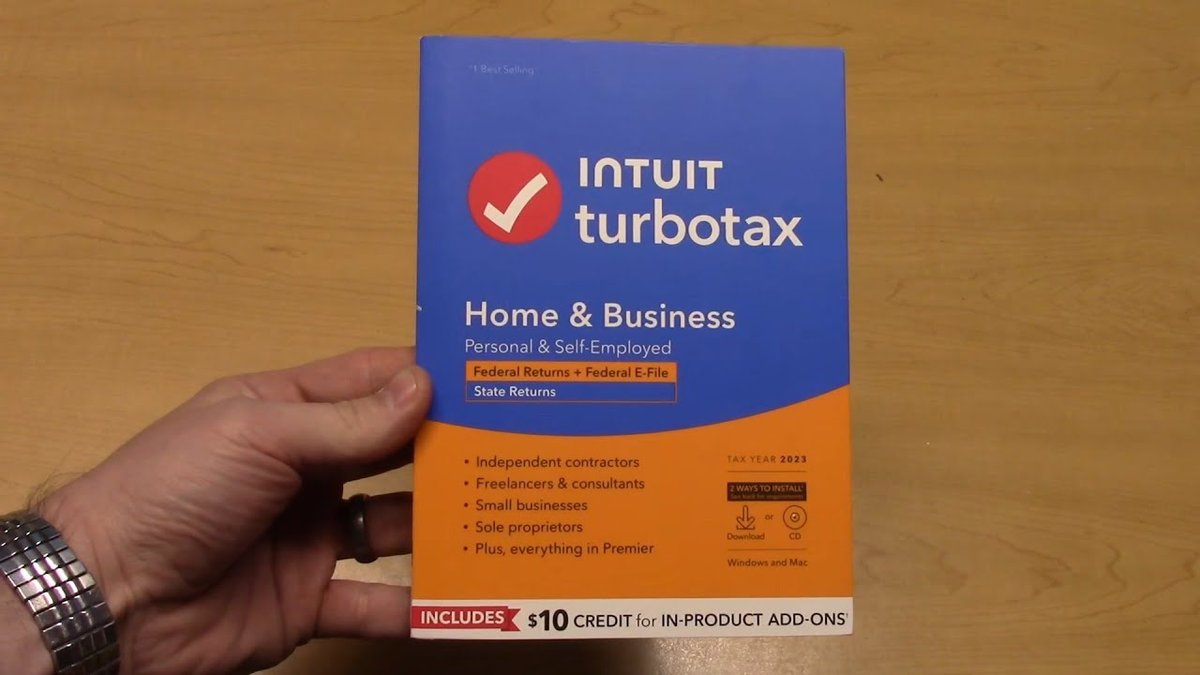
Navigating tax season can feel like traversing a minefield, especially when you're faced with optional add-ons promising peace of mind. One such option, TurboTax MAX, frequently pops up as you're about to hit "file." But in a world where every dollar counts, you’re probably asking: "For my unique, real-world situation, is TurboTax MAX worth it?" It’s a crucial question, and the answer, as with most things in life, isn't a simple yes or no. It depends entirely on your specific circumstances, risk tolerance, and the complexity of your financial life.
Let's cut through the marketing jargon and get down to brass tacks. We'll explore what MAX really offers, its limitations, and most importantly, when it makes sense for you—and when it’s an unnecessary expense.
At a Glance: Key Takeaways on TurboTax MAX
- What it is: An optional add-on package for TurboTax Deluxe, Premier, and Self-Employed Online, primarily offering full audit representation, identity theft protection, and priority customer care.
- Cost: Typically an additional $49-$69.
- Core Benefit: "Full Audit Representation" means an expert represents you directly before the IRS or state tax authorities for a covered return, unlike basic guidance.
- Identity Theft Protection: Includes insurance, restoration services, and monitoring.
- Who it's for: Individuals with complex returns, audit red flags, self-employment income, or those who simply want maximum peace of mind.
- Who it's not for: Those with simple tax situations, modest income, or large businesses exceeding specific coverage limits.
- Important: Must be added before filing; non-refundable once paid.
Unpacking TurboTax MAX: More Than Just a Checkbox
Before we dive into real-world scenarios, let's clarify what TurboTax MAX (often branded as "MAX Defend & Restore") actually is. Think of it as a comprehensive safety net designed to protect you against two major tax-related anxieties: an IRS audit and identity theft. It’s not a feature built into your base TurboTax software; it’s an optional, paid upgrade.
Typically, you'll encounter the MAX offer when you're nearing the completion of your tax return, usually after you’ve entered most of your financial data but before you've officially submitted it. The cost usually hovers around $49 to $69, which TurboTax itself pegs at a "125 value." This package is available for Deluxe, Premier, and Self-Employed Online editions. It's crucial to remember that once you pay for MAX and file your return, it's non-refundable.
So, what exactly do you get for that extra cost? MAX bundles several distinct services:
- Full Audit Representation: This is arguably the headline feature. If your tax return is flagged for an audit by the IRS or a state tax authority, a dedicated tax expert from TaxAudit (TurboTax’s partner for this service) will represent you. This means they'll develop an action plan, handle all communications with the tax authorities, and prepare necessary documents. This is a significant step up from the basic "Audit Support Guarantee" included with most TurboTax versions, which typically only offers guidance and consultation.
- Identity Theft Insurance: Should your identity be stolen, this benefit can reimburse up to $250,000 for direct financial losses and provide up to $1 million in legal fees and expenses.
- Full Identity Restoration: Beyond financial reimbursement, this service provides assistance in actively resolving identity fraud, helping you navigate the complex process of restoring your good name and credit.
- Identity Theft Monitoring: This proactive service keeps an eye out for suspicious online activity related to your personal information and alerts you. If an issue is detected, you'll get access to a resolution specialist.
- Priority Care: This benefit offers you priority access to a TurboTax specialist if you have questions or need assistance with your tax return.
The "Insurance Policy" Mindset: Understanding the Value Proposition
At its heart, TurboTax MAX functions much like an insurance policy. You pay a relatively small fee upfront to protect against potentially devastating, albeit statistically rare, events.
Let's talk numbers for a moment. IRS audits of individual tax returns are exceedingly rare. For instance, in 2020, only about 0.3% of individual returns were audited. That’s less than one-third of one percent. Identity theft, while more common in general, isn't always directly linked to tax filing, though tax-related identity fraud does occur.
These low odds lead many to question the necessity of MAX. Why pay for something you're unlikely to use?
Here's where the insurance analogy becomes critical. You carry health insurance even if you're rarely sick, and car insurance even if you've never had an accident. The reason is simple: if that rare event does occur, the financial and emotional cost can be astronomical. An IRS audit, especially a complex one, can cost thousands of dollars in professional fees if you hire a CPA or tax attorney on your own. It can also be incredibly stressful and time-consuming.
So, the value of MAX isn't in the likelihood of needing it, but in the peace of mind and potential savings (both financial and emotional) if you do. It's about offloading that risk.
Real-World Scenarios: When TurboTax MAX Shines
There are definite situations where the extra cost for TurboTax MAX transforms from a luxury into a genuine strategic advantage. If any of these sound like your tax reality, MAX is certainly worth a strong look.
Your Taxes Are a Labyrinth of Deductions and Income Streams
If your tax return is anything but straightforward, you might be a prime candidate for MAX. We're talking about situations involving:
- Copious and complex deductions: You're itemizing and claiming numerous deductions that require detailed record-keeping and could potentially raise eyebrows if they seem "out of pattern" for your income level.
- Multiple income sources: Beyond a W-2 from a single employer, you have income from investments, rental properties, freelance work, side gigs, or even international sources.
- Significant life changes: You recently started a business, bought or sold a home, had a major investment event, or experienced other financial shifts that make your return more intricate than usual.
The more moving parts your tax return has, the higher the (still small) probability that something might pique the IRS's interest. Having a professional in your corner to explain and defend these complexities can be invaluable.
You've Got Those "Audit Red Flags" Flapping
The IRS uses algorithms and data analysis to select returns for audit. While nobody has a definitive list of "red flags," certain situations are known to attract more scrutiny. If you find yourself in any of these categories, MAX might be a wise investment:
- Unrealistic deductions relative to income: Claiming significant business losses when your reported income is low, or taking deductions that seem disproportionately large compared to your earnings.
- Reporting losses several years in a row as a sole proprietor: The IRS wants to ensure your "business" is truly a business and not a hobby used to generate tax write-offs. Consistently reporting losses can suggest a hobby.
- Early withdrawals from retirement accounts (before age 59 ½): While often legitimate, these withdrawals usually incur penalties and might warrant a closer look.
- High earnings: Statistically, individuals earning over $1 million annually face a higher audit rate. Businesses with high gross receipts also face increased scrutiny.
- Cash-intensive businesses: Trades or services that primarily deal in cash transactions often draw more attention due to the higher potential for underreporting income.
- Significant cryptocurrency transactions: The evolving nature of crypto taxation and the potential for large, untracked transactions make this an area of increasing IRS focus.
If you know your return contains elements that could be questioned, knowing you have professional representation if they are can alleviate a tremendous amount of stress.
You're a Sole Proprietor or Independent Contractor
Self-employed individuals, including freelancers, gig workers, and small business owners structured as sole proprietors, often face more scrutiny from the IRS. This is primarily because:
- More opportunities for error: You're responsible for tracking income and expenses, determining legitimate business deductions, and sometimes even managing quarterly estimated taxes.
- High potential for deductions: Business deductions are a major area for IRS inquiry.
- No third-party reporting: Unlike W-2 income, where your employer reports wages directly to the IRS, your business income and expenses are often self-reported, leading to a higher potential for discrepancies or errors.
If you're filing a Schedule C (Profit or Loss From Business), MAX's audit representation can be a robust shield against potential inquiries into your business deductions, home office expenses, or mileage logs.
You're Just Plain Nervous About Your Numbers
Sometimes, the rationale isn't purely financial; it's emotional. If you're genuinely anxious about your income, portfolio earnings, or business practices, and the thought of an IRS letter sends shivers down your spine, MAX offers peace of mind. Knowing that a professional will step in and handle communications if an audit arises can be a huge psychological relief, making the filing process less daunting.
For a comprehensive dive into whether this specific service aligns with your personal risk profile, you might find our main guide on Is TurboTax Max worth it? to be an excellent resource for making an informed decision.
Real-World Scenarios: When TurboTax MAX Might Be Overkill
Just as there are compelling reasons to opt for MAX, there are equally valid reasons to pass on it. For many taxpayers, the added cost simply doesn't justify the benefits.
Your Tax Return is a Model of Simplicity
If your financial life is straightforward, MAX might be an unnecessary expense. This typically applies if you have:
- A standard salary and W-2 income: Your primary source of income comes from a single employer, and it's all reported on a W-2 form.
- Standard deductions: You don't itemize deductions; you simply take the standard deduction.
- Limited investments: Perhaps a basic savings account interest or a simple brokerage account with minimal activity.
- No dependents with complex situations: Your dependents are straightforward and don't introduce unusual deductions or credits.
For these taxpayers, the chances of an audit are already incredibly low, and the need for complex audit representation is practically nil. The identity theft benefits might be redundant if you already have similar protections through other services (e.g., credit card companies, banking apps, employer-provided benefits).
Modest Income and Simple Financial Situations
If your income is modest and your financial footprint is small, the audit risk is generally lower. The IRS tends to focus its limited audit resources on higher-income individuals and complex business structures where potential tax discrepancies are larger. For someone with a straightforward return and modest income, the $49-$69 for MAX could be better allocated elsewhere.
You Prefer a CPA or Tax Attorney for Serious Issues
If you have a trusted Certified Public Accountant (CPA) or tax attorney whom you regularly consult or would immediately turn to in the event of a significant tax issue, MAX might not add much value. Many individuals with complex financial lives already have such professionals on retainer or have a clear plan for who they'd call.
It's also important to understand the limitations of MAX's audit defense. While it provides full representation, it does not:
- Provide legal assistance for tax court proceedings.
- Prepare or amend tax returns (you'd need to do that, though they'd help with documentation).
- Handle bookkeeping or organize your financial records (that's still your responsibility).
For high-stakes, truly complex audits that might escalate to legal challenges, a dedicated tax attorney specializing in tax law is often the preferred choice.
You Run a Large Business (or Have a Complex Partnership)
TurboTax MAX's Audit Defense coverage has specific exclusions. It generally does not cover businesses with:
- Gross receipts over $5 million.
- More than 10 partners, stockholders, beneficiaries, or members.
If your business falls into these categories, or if you operate as an S-Corp or C-Corp with numerous shareholders or complex structures, you're better off with specialized business tax services or a dedicated corporate tax attorney. MAX is primarily geared toward individual taxpayers and smaller sole proprietorships.
Deep Dive: What "Full Audit Representation" Really Means
This is the crown jewel of TurboTax MAX, but its specifics are often misunderstood. "Full Audit Representation" doesn't just mean someone answers your questions; it means a professional from TaxAudit steps into your shoes as your authorized representative before the IRS or state tax authorities.
Here’s a breakdown of what that entails:
- From First Notice to Completion: The service covers the entire audit process. From the moment you receive that dreaded first audit notice until the case is officially closed, TaxAudit handles it.
- Communication is Key: They manage all direct communication with the taxing authorities. You won't have to spend hours on hold with the IRS or draft confusing letters. They interpret IRS jargon and respond on your behalf.
- Strategy and Documentation: The expert will develop an action plan tailored to your audit, advising you on what documentation is needed and how best to present it. They'll help prepare and organize these documents for submission.
- Federal and State Income Tax Audits: The coverage isn't limited to just federal audits; it extends to state income tax audits as well.
The Lifespan of Coverage
While you purchase MAX for a specific tax year, the audit defense applies to the tax return filed that year. Why is this important? Because the IRS typically has a three-year statute of limitations for auditing a return. This means an audit notice for your 2023 return could arrive any time up until April 15, 2027. Your MAX coverage for that 2023 return, purchased in 2024, will generally cover it for this entire three-year period, even if you don't renew MAX in subsequent years.
However, to cover future tax years (e.g., your 2024 return filed in 2025), you must renew your MAX membership annually. It’s tied to the specific return you’re filing.
Beyond Audits: The Identity Theft Safeguards
While audit representation often grabs the headlines, the identity theft components of TurboTax MAX are also significant and shouldn't be overlooked. In an era of constant data breaches and online vulnerabilities, these protections offer an additional layer of security.
Identity Theft Insurance (Up to $250K for Losses, $1M for Legal Fees)
This isn't just a symbolic gesture. If your identity is stolen and you suffer direct financial losses as a result, the insurance can reimburse you up to $250,000. This could cover things like unauthorized withdrawals from your bank account or fraudulent credit card charges that you are unable to recover through other means. Furthermore, should you need to hire legal counsel to address the fallout of identity theft, MAX provides up to $1 million in legal fees and expenses. This can be critical for navigating complex legal processes or disputing fraudulent claims.
Full Identity Restoration
Recovering from identity theft is a nightmare, often requiring dozens, if not hundreds, of hours to contact credit bureaus, government agencies, and financial institutions. Full Identity Restoration through MAX provides you with a resolution specialist who will guide you through this labyrinthine process, or even act on your behalf, to help restore your identity and financial standing. They can assist with tasks like placing fraud alerts, disputing fraudulent charges, and replacing stolen documents.
Identity Theft Monitoring
Prevention is often the best medicine. Identity Theft Monitoring proactively scans for your personal information (like Social Security number, credit card numbers, and bank account details) on the dark web and other suspicious online locations. If your information is detected, you'll receive an alert, giving you an early warning sign that your identity might be at risk. This allows you to take immediate action, such as changing passwords or monitoring your accounts, potentially preventing more significant damage.
Even if you have basic identity protection through other services, the comprehensive nature of MAX's offering—combining monitoring, insurance, and hands-on restoration—might provide a more robust defense against tax-related and general identity fraud.
How to Get TurboTax MAX (And What to Remember)
Adding TurboTax MAX to your tax preparation is straightforward, but there are a few key points to keep in mind to ensure you get the coverage you desire.
When and How to Add It
You will be offered the option to add MAX during the tax preparation process within TurboTax. This typically happens as you approach the final stages of reviewing your return, usually before you pay and electronically file. Keep an eye out for a screen specifically promoting MAX Defend & Restore.
If you initially skip it and then decide you want it, you can often go back into your return. Open your tax return, select "Review" from the left menu (or a similar navigation option depending on your TurboTax edition), and look for a screen related to MAX. You should find an option to "Get MAX."
Crucial Timing: MAX is only available when you file your return. You cannot decide later that you want to add audit representation or identity theft protection for a return you've already submitted. Once that "File" button is clicked, the opportunity for that tax year is gone.
The Non-Refundable Nature
Once you've paid for TurboTax MAX and proceeded with filing your return, the payment for MAX is non-refundable. This reinforces the need to make a considered decision before completing your submission. You can, however, remove MAX from your cart during checkout if you change your mind before finalizing the payment and filing.
Weighing the Cost: Is $49-$69 Worth the Peace of Mind?
Ultimately, the decision to purchase TurboTax MAX comes down to a personal cost-benefit analysis. Is spending an extra $49-$69 worth the peace of mind and the potential (though rare) financial protection it offers?
Consider these factors when making your choice:
- Your Risk Profile: How complex is your return? Do you have any of the "red flags" we discussed? Are you self-employed? The higher your perceived risk of an audit, the more appealing MAX becomes.
- Your Personal Stress Level: How much would an IRS audit or identity theft event impact your mental well-being? If the thought alone causes significant anxiety, the peace of mind offered by MAX might be priceless.
- Existing Protections: Do you already have comprehensive identity theft protection through your bank, credit card company, employer, or another service? If so, some of MAX's benefits might be redundant.
- Access to Alternatives: Do you have a trusted CPA or tax attorney you'd call if an audit occurred? If so, what would their fees be for representation versus the cost of MAX?
- Your Financial Buffer: Is $49-$69 a significant outlay for you, or is it a relatively minor expense for added security?
For many, especially those with simpler returns, the odds simply don't justify the cost. For others, particularly the self-employed or those with complicated financial lives, the ability to offload the burden and stress of an audit to a professional, combined with robust identity theft protection, makes MAX an easy decision.
Common Questions & Misconceptions About TurboTax MAX
Let's clear up some common misunderstandings about TurboTax MAX to ensure you have all the facts.
"Does MAX cover past tax returns I filed?"
No. TurboTax MAX is purchased for a specific tax year when you file that return. While the audit defense for that particular return will cover it for the IRS's typical three-year statute of limitations, it does not retroactively apply to returns filed in previous years when you didn't have MAX. To cover future tax years, you must repurchase MAX annually.
"Is MAX the same as TurboTax Live?"
No, they are distinct services. TurboTax Live editions (Live Assisted, Live Full Service) provide access to tax experts during the preparation process to answer questions or even prepare your return for you. MAX is an add-on to your filed return, providing audit representation after filing and identity theft protection. While TurboTax Live editions often come with basic audit guidance, it's not the same as the "Full Audit Representation" offered by MAX.
"Does MAX provide legal advice or cover tax court cases?"
No. While the audit representation handles communications with the IRS and prepares documents, it does not provide legal advice or representation in tax court proceedings. If your audit escalates to a tax court case, you would need to secure separate legal counsel. The identity theft benefits do cover legal fees, but specifically for identity theft-related legal matters, not tax court.
"If I get MAX, does that mean my return is more likely to be audited?"
Absolutely not. Purchasing MAX has no bearing on your likelihood of being audited. Audit selection criteria are based on the data within your tax return, not on whether you bought an optional add-on service. MAX is a reactive service, kicking in if an audit occurs.
"Does MAX guarantee I won't owe more money after an audit?"
No audit defense service can guarantee the outcome of an audit. The expert representing you will work to uphold the accuracy of your original return and ensure you only pay what you legitimately owe according to tax law. However, if the audit reveals legitimate errors or underpayments, you would still be responsible for any additional taxes, penalties, and interest. MAX ensures you have expert representation to minimize such liabilities and prevent unjust assessments.
Making Your Decision: A Final Thought
Choosing whether to invest in TurboTax MAX isn't about predicting the future; it's about managing risk and securing peace of mind. For some, the added layer of protection against potentially stressful and costly audits, combined with robust identity theft safeguards, is well worth the roughly $50-$70 annual fee. For others with simpler tax lives, it's an expense they can confidently forgo.
Take a moment to honestly assess your own situation using the real-world scenarios outlined above. Consider your comfort level with potential risks, the complexity of your finances, and what true peace of mind is worth to you. By understanding exactly what MAX offers and what it doesn't, you can make an informed decision that aligns perfectly with your needs this tax season.